
Case Study: How a Czech Network Integrator Secured Multi-Brand Optics Supply During the 2026 Shortage
A Czech network integrator consolidated Huawei, Cisco, Mellanox, Intel, and Aruba optics sourcing through one supplier — keeping designs intact with zero module failures during the 2026 shortage.
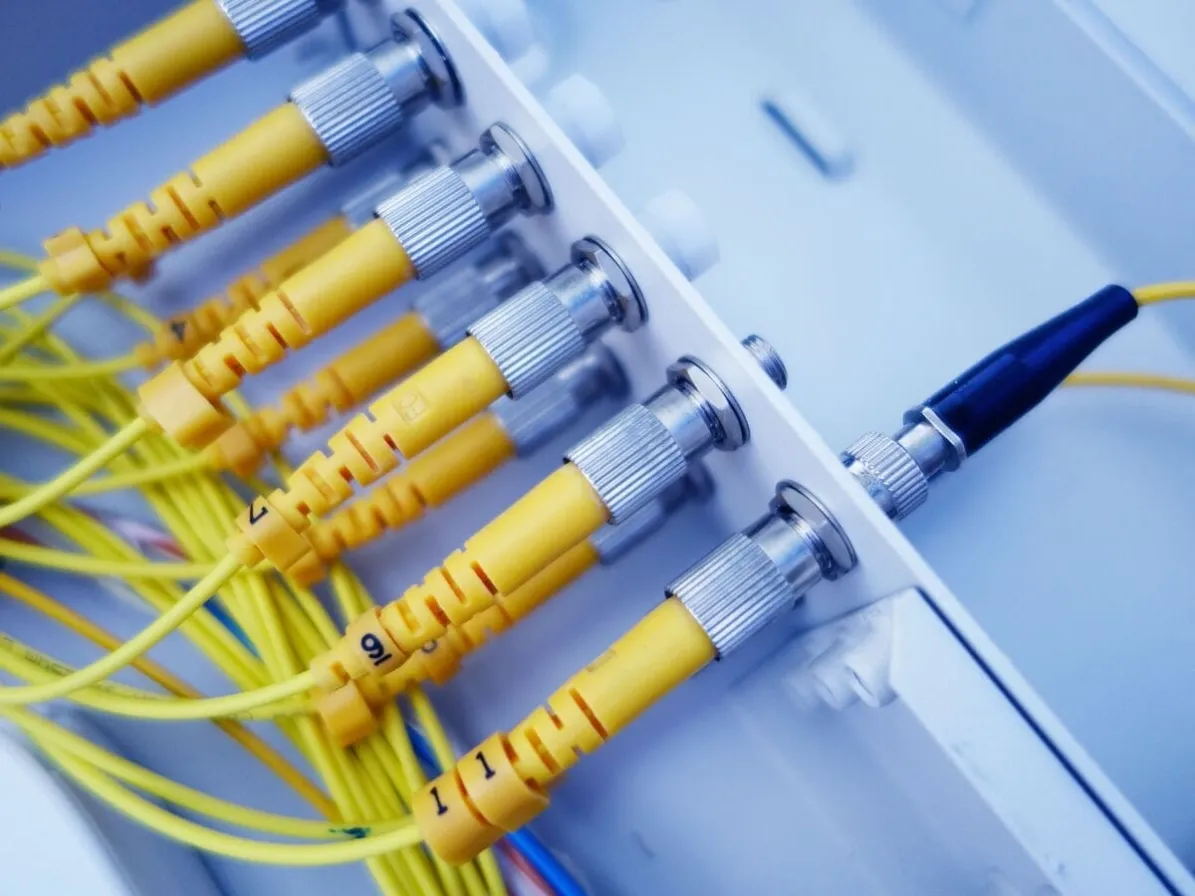
2026 is a strange year to buy optical transceivers. AI data centers are absorbing laser and DSP capacity at a pace the industry has never seen, lead times on some high-speed parts have stretched from weeks into quarters, and component costs are creeping upward across the board. For network integrators, the risk is no longer just paying more — it's being forced to redesign a project because the optics you specified simply can't be delivered.
This case study looks at how one of our customers — a network integrator in the Czech Republic serving enterprise and carrier clients — kept its multi-brand projects on schedule through this environment, and what other integrators can take from the approach.
At a glance
Customer: Network integrator, Czech Republic — multi-vendor installed base spanning Huawei, Cisco, Mellanox, Intel, and Aruba/HPE
Challenge: Securing 10G/25G/100G optics across five platform codings amid rising lead times, without redesigning projects around availability
Solution: Consolidated sourcing through one supplier — per-platform coding, real-switch testing before dispatch, price locking and reserved capacity for upcoming quarters
Result: Zero module failures reported across the installed project base; designs kept intact instead of compromised for availability; 10G/25G access optics still delivered within working days
The Backdrop: Why Optics Procurement Got Hard in 2026
The headlines belong to the hyperscalers — 800G and 1.6T modules for AI clusters, laser suppliers booked out years ahead, analysts projecting shortages on the highest-speed parts deep into 2027. Most integrators don't buy those modules. But the squeeze doesn't stay at the top of the market.
The same indium phosphide laser fabs, DSP capacity, and optical component lines feed the entire industry. When the high end absorbs capacity, mid-range parts feel it next: through 2026 we've watched certain 100G LR4/ER4 parts stretch noticeably compared to the start of the year, while component-level cost notices — laser diodes, isolators, even the Marvell chipset used in 1000BASE-T copper SFPs — have pushed roughly 10% increases into several common product families.
For an integrator quoting projects months ahead, this creates two distinct risks: budget drift (the optics cost more at order time than at quote time) and — worse — design drift (the specified part can't be delivered on schedule, so the design gets reworked around whatever happens to be in stock). The second one is expensive in ways that never show up on a purchase order: re-testing, re-documentation, awkward conversations with the end client.
The Challenge: Five Brands, One Bill of Materials
Our customer's situation is typical of established integrators in Central Europe. Years of projects have left an installed base that spans Huawei and Cisco switching, Mellanox and Intel NICs, and Aruba/HPE campus gear — and every new project touches several of these at once. A single bill of materials might need 10G access optics coded for Huawei, 25G server links coded for Mellanox, and 100G uplinks coded for Cisco.
The traditional way to buy this is painful in the best of times: either pay OEM list prices several times over for each brand, or juggle a separate compatible-optics supplier per platform — each with its own lead times, testing standards, and paperwork. In a tightening market, it becomes actively risky. The customer had already experienced the failure mode every integrator dreads: availability forcing a design change, where a part that couldn't arrive on time pushed engineering into compromises the design didn't call for.
The Approach: One Supplier, Five Codings, Tested Before It Ships
Working with Axonode Solution, the integrator consolidated its optics sourcing into a single channel built on four practices:
1. Per-platform coding on every line item. Each module on the BOM is tagged with the exact target platform and shipped with the matching EEPROM coding — Huawei, Cisco (Catalyst or Nexus), Mellanox, Intel, or Aruba/HPE. The modules arrive plug-and-play in the switches and NICs they're destined for. No CLI overrides on customer equipment, no on-site surprises. One product line serves the entire multi-vendor estate, because the coding, not the hardware, is what changes.
2. Real-switch testing before dispatch. Every module is verified on actual switch hardware against its target coding — link-up and DDM diagnostics included — before it leaves. This is the unglamorous step that separates "MSA-compliant on paper" from "works in the customer's rack on day one."
3. Price locking and reserved capacity. For quantities the integrator can forecast, pricing is locked and production capacity reserved ahead of need, with deliveries staged to match the project schedule. When component costs moved this year, the models used in the customer's existing designs kept their previous pricing for repeat orders — insulating quoted projects from mid-stream cost drift.
4. Lead-time transparency, early. Rather than discovering availability problems at PO time, the integrator shares rough form factors and timelines for upcoming designs, and gets realistic lead-time checks back before the design is finalized. In 2026 terms: 10G/25G access optics remain deliverable within working days, while certain 100G parts need earlier commitment — knowing this at design stage is what prevents the redesign scenario.
The Results
The headline result came directly from the customer's engineering team after the most recent project went live: every installed module performing well, with zero failures across the deployment. For third-party optics — a category OEM sales teams still love to paint as a reliability gamble — a clean failure record across a live multi-vendor project is the argument that matters.
Beyond reliability, the consolidation delivered three durable outcomes:
- Designs stayed intact. No project in the engagement has had to be reworked around optics availability — the exact problem that pushed the integrator to change its sourcing model.
- One relationship instead of five. A single point of contact handles coding for the whole vendor mix, which means one testing standard, one warranty process, and one set of paperwork per project.
- Predictable budgets in an unpredictable year. Locked pricing on repeat models and staged deliveries turned optics from a variable into a constant in project quotes.
What Other Integrators Can Take From This
Whether or not you ever work with us, the pattern generalizes. If you're buying compatible optics into a multi-vendor environment in the current market, the questions below will do more for your project schedule than any price negotiation:
- Can one supplier code for your entire estate? Cisco (both Catalyst and Nexus), Huawei, Mellanox, Intel, Aruba/HPE, Juniper, MikroTik — if the answer is "only some," you're still juggling suppliers, just fewer of them.
- Is testing done on real switches, per coding? Ask specifically whether link-up and DDM are verified on the target platform before shipment — not just "modules are tested."
- Will they lock pricing and reserve capacity against a forecast? In a rising-cost year, a supplier unwilling to hold pricing for forecastable repeat orders is passing every risk to you.
- Do they volunteer lead-time reality, or do you find out at PO time? A supplier who tells you unprompted which parts are stretching is protecting your design phase. One who only quotes when asked is protecting their order book.
- What happens if your platforms change? Suppliers who provide code files — or coding boards so you can reprogram stock yourself — are selling you a flexible asset rather than future dead inventory.
Frequently Asked Questions
Are third-party optics really reliable enough for production networks?
Optical transceivers are standardized under MSA specifications, and reputable third-party modules come off the same class of production lines as OEM-branded ones. What separates good from bad is the supplier's testing discipline — which is why per-platform, real-switch verification before dispatch matters more than the logo on the housing. This customer's zero-failure record across a live multi-vendor deployment is representative of what disciplined sourcing achieves.
Does using compatible optics void the switch vendor's warranty?
The equipment warranty is not automatically voided by third-party optics. Vendors can decline to troubleshoot a fault they attribute to a non-OEM module, and may ask you to swap in branded optics during a support case — a manageable trade-off most operators accept given the substantial price gap.
We run five different switch/NIC brands. Do we need five different modules?
No — you need one module family with five codings. The hardware is common; the EEPROM identity data is what each platform checks. A supplier with coding capability can ship the same product coded per line item, or supply coding tools so you can re-target stock yourself.
How early should we engage on optics for a 2026–2027 project?
For 10G/25G access parts, standard ordering timelines still work. For 100G and above, bring optics into the conversation at design stage — sharing rough form factors and quantities early lets a supplier reserve capacity before lead times decide your architecture for you.
The Bottom Line
Shortage cycles reward buyers who treat optics as part of the design conversation instead of a checkout-time commodity. This integrator's results — intact designs, stable budgets, and a zero-failure installed base across five platform brands — came from consolidating sourcing with a partner who codes per platform, tests on real hardware, and says out loud which lead times are moving. None of that is complicated. It just has to happen before the PO, not after.
Planning Projects for Late 2026 or 2027?
Axonode Solution supplies real-switch-tested compatible optics from 1G to 100G — coded free for Cisco, Huawei, Mellanox, Intel, Aruba/HPE, Juniper, MikroTik, and 30+ other platforms:
- Per-platform coding and DDM verification on every module before dispatch
- Price locking and reserved capacity for forecastable orders, with staged deliveries
- Honest lead-time checks at design stage — share a rough topology or form-factor list and we'll flag what's moving
- Coding boards and verified code files available, so your stock stays flexible as platforms change
Fastest route: WhatsApp (+86 134 8078 2233) your switch/NIC models and rough quantities — we'll reply within 12 hours with compatibility confirmation, current lead times, and pricing. All project information is treated as strictly confidential.