100G QSFP28 Transceiver
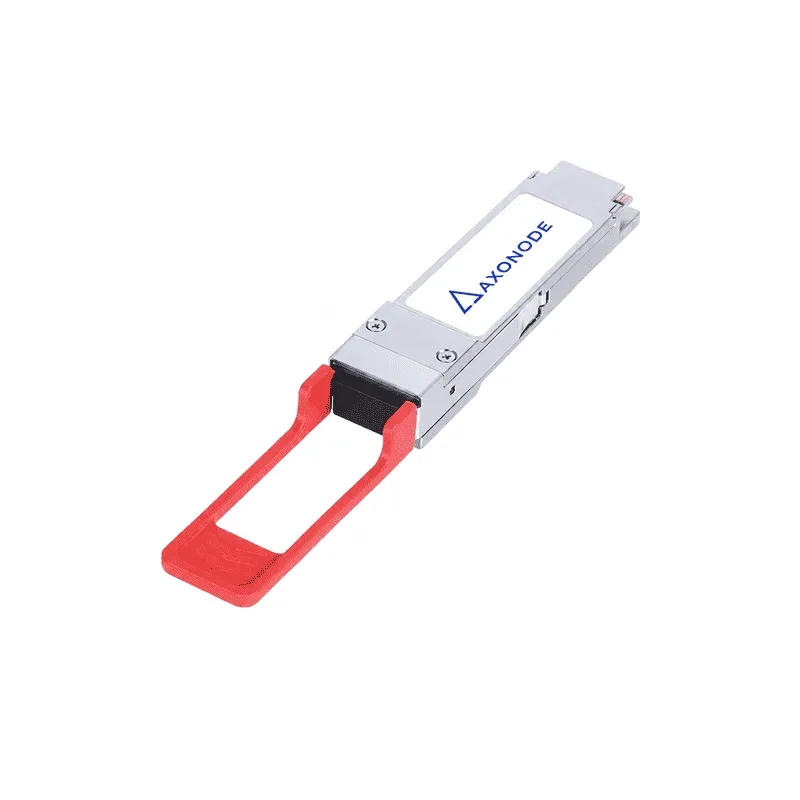
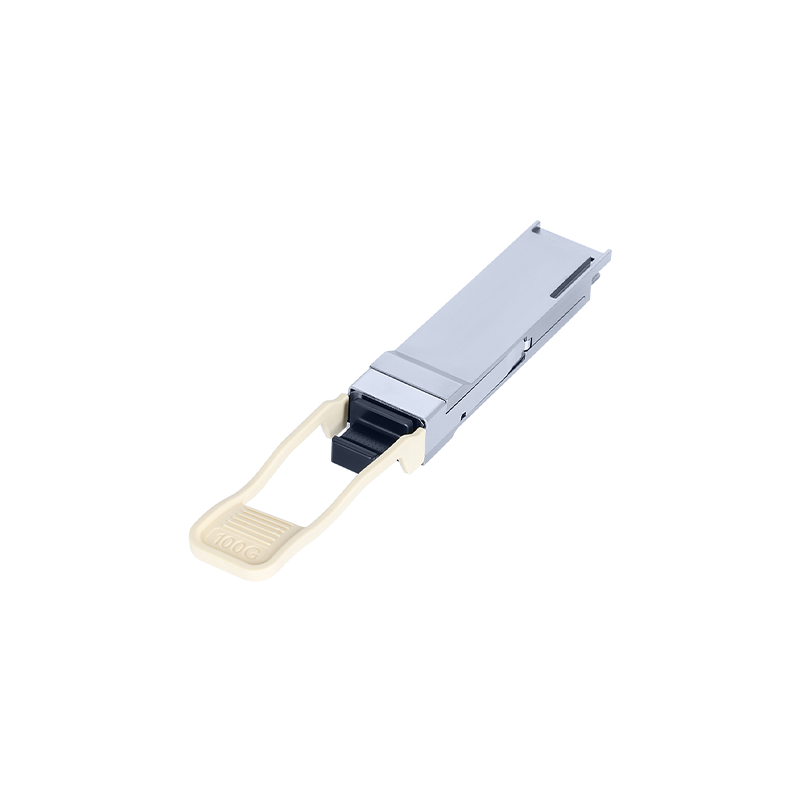
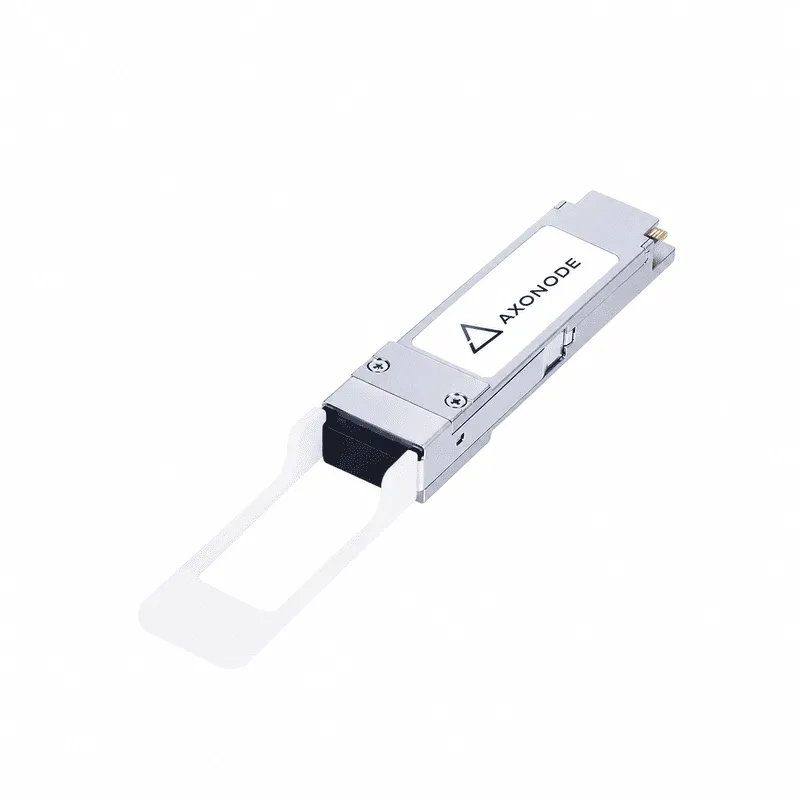
100GBASE-ZR4 QSFP28 80km Optical Transceiver
A QSFP28 100G optical transceiver designed for 100 Gigabit Ethernet over duplex single-mode fiber up to 80 km. Ideal for long-distance enterprise networks, ISP backbone links and metro transport applications.
Specifications
- Warranty
- 3-Years
- Customization
- Free OEM labeling
- Delivery Time
- 48 hours dispatch
- Confirm the basic link conditions first.
Suitable for metro aggregation and long campus links.
100G QSFP28 port
Duplex LC single-mode fiber
Reach up to 80km
Confirm the host has a 100GbE QSFP28 interface before selecting ZR4.
ER4 is intended for OS2 single-mode fiber with an LC duplex connection.
Check optical loss, fiber quality and deployment distance before selecting ZR4.
- Know the module. Then check the project.
The specification is the starting point. The review inputs help confirm the right option before ordering.
Ethernet standard | IEEE 802.3ba 100GBASE-ZR4 |
|---|---|
Data rate | 100GbE |
Form factor | QSFP28 |
Maximum reach | Up to 80 km |
Fiber type | OS2 single-mode fiber |
Connector | Duplex LC/UPC |
Wavelength / optical design | LAN-WDM |
DDM / DOM | Supported |
Operating temperature | Commercial; industrial option by review |
Power consumption | Typical low-power QSFP28 ZR4 option; final value depends on selected module |
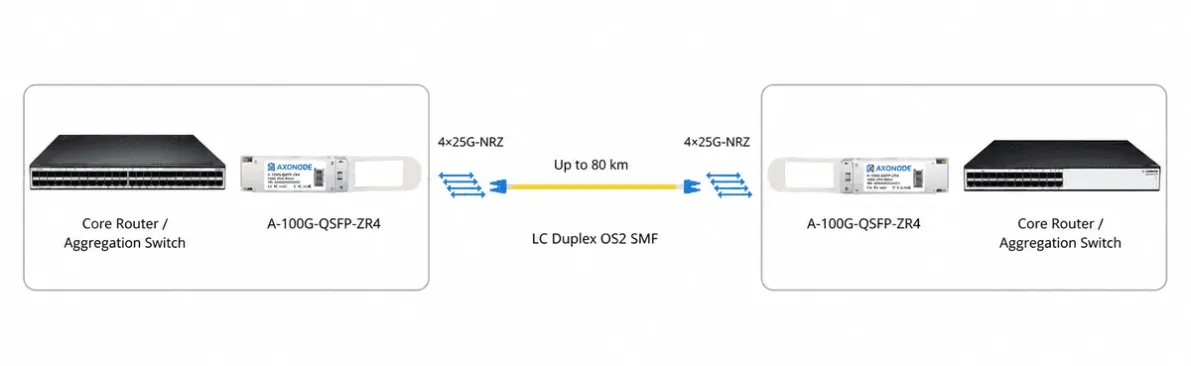
- Typical 100G ZR4 deployment scenarios
Use these as starting points, then send your actual equipment model or BOM for review.
- 100G switch to 100G switch
Simple duplex OS2 fiber link between two 100G QSFP28 ports.
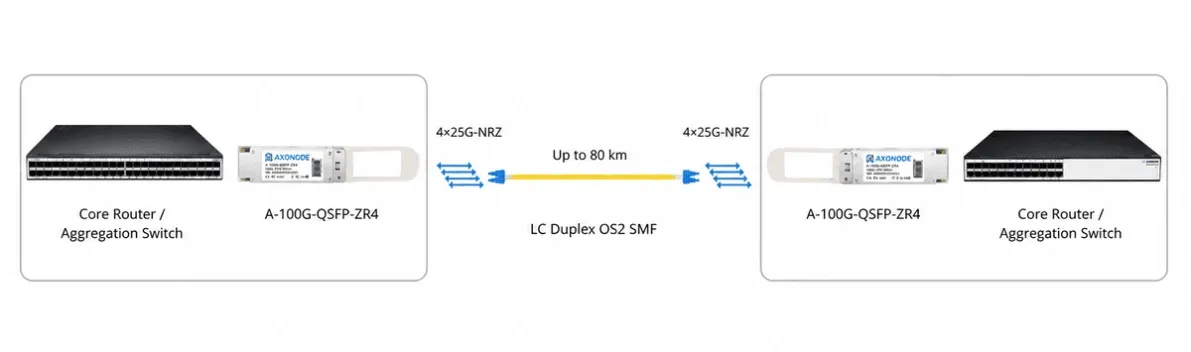
Check before order: host model, OEM coding, port configuration, and actual fiber path.
- 100G Switch to High-Speed Server NIC
100G ZR4 link from an aggregation switch to a router, NIC, server uplink, or transport-facing interface.
- Quality & Certifications
Every module undergoes rigorous testing in our ISO-certified facility. We validate electrical performance, optical power, temperature cycling, and compatibility across multiple switch platforms before shipment.

- Comprehensive Testing
Every module is qualified on advanced test benches to verify optical power, eye diagram, BER and long‑term reliability before shipment.
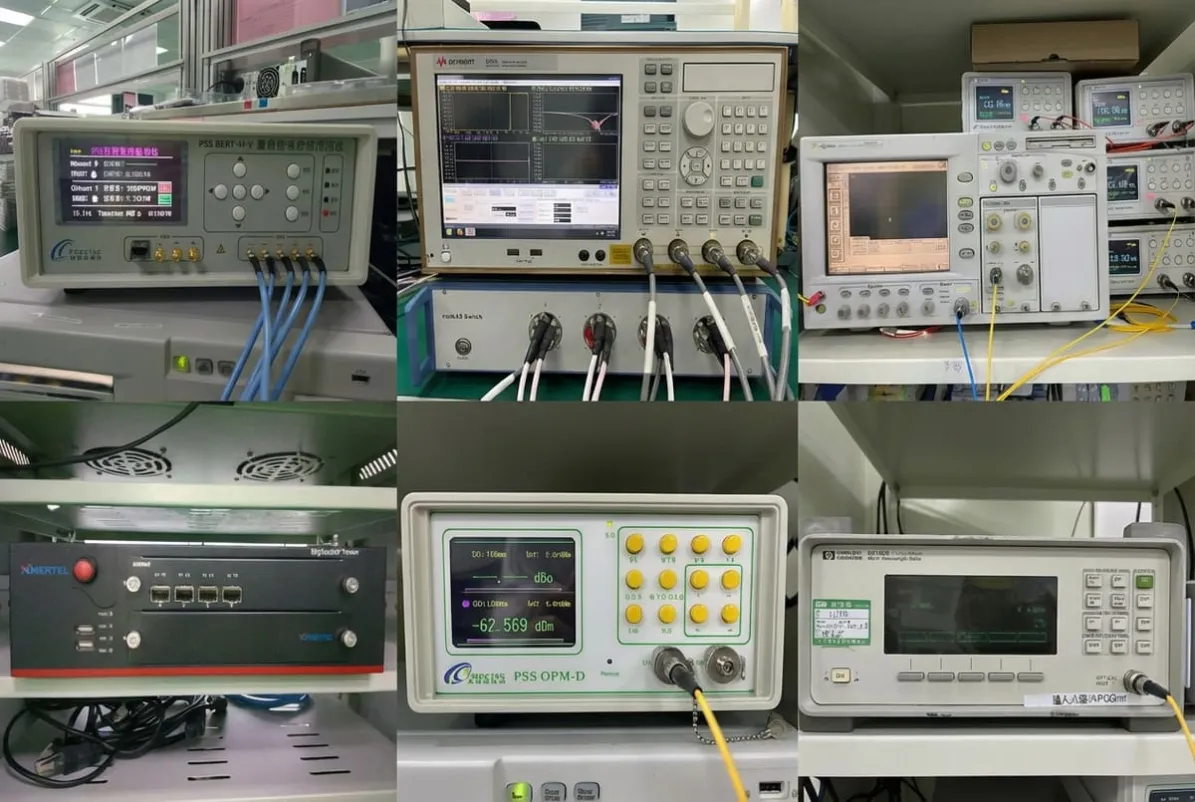
Typical validation equipment used before shipment.
Nearby 100G options to compare before ordering
The speed may be the same, but the fiber design, reach, and deployment trade-offs are not.
100G option | Typical Reach | Fiber/connector | Best Fit | Checking before ordering |
|---|---|---|---|---|
100GBASE-SR4 | 100 m | OM4 MMF/MPO-12(OM3 70M) | Short-reach data center links | Fiber type, MPO polarity and switch compatibility |
100GBASE-LR4 | 10 km | OS2 SMF / duplex LC | Standard 10 km duplex single-mode links | Host coding, link budget, and fiber route |
100G CWDM4 | 2 km | SMF / duplex LC | Shorter-reach data center or campus links | Reach limit and interoperability expectation |
100G PSM4 | 500 m | Parallel SMF / MPO | Parallel-fiber links with existing MPO plant | Fiber plant and connector availability |
100G ER4 | 40 km | OS2 SMF / duplex LC | Longer metro or remote links | Optical budget, dispersion, and cost |
100G ZR4 | 80 km | OS2 SMF/duplex LC | Long-distance transport networks | Optical budget, dispersion and amplification requirements |
Frequently Asked Questions
i. What fiber is required for 100G ZR4?
100G ZR4 operates over OS2 single-mode fiber with duplex LC connectors. Good fiber quality and proper connector cleanliness are important for achieving reliable long-distance transmission.
ii. Can 100G ZR4 be used for metro and regional networks?
Yes. 100G ZR4 is commonly deployed for metro aggregation, regional backbone links and long-distance enterprise interconnection where transmission distances extend beyond the reach of ER4 optics.
iii. What should I check before deploying a 100G ZR4 link?
Before deployment, verify the transmission distance, optical link budget, fiber attenuation, connector quality and switch compatibility. These factors help ensure stable long-distance operation.
iv. Does 100G ZR4 support Digital Diagnostic Monitoring (DDM/DOM)?
Answer
Yes. 100G ZR4 modules support Digital Diagnostic Monitoring (DDM/DOM), allowing real-time monitoring of operating parameters such as temperature, voltage, transmit power and receive power.
v. When should I choose 100G ZR4 instead of ER4?
Choose 100G ZR4 when your transmission distance exceeds 40 km or when building regional backbone, metro transport or long-distance enterprise networks. For shorter links, 100G ER4 is often the more cost-effective solution.